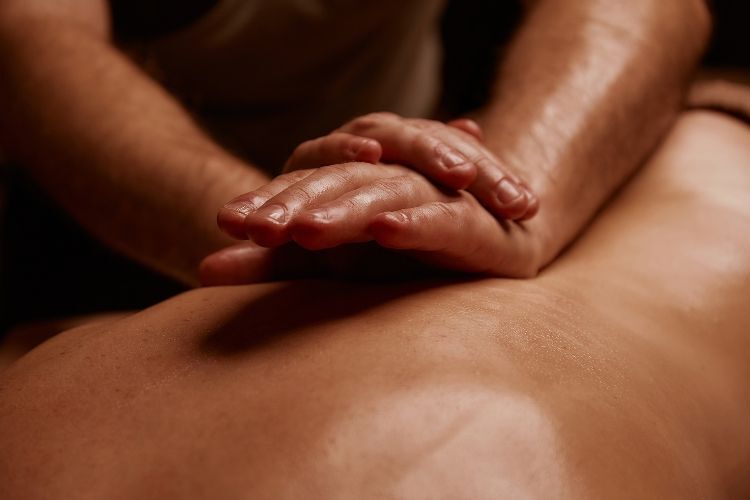
Booking a massage usually comes down to one question — Swedish or deep tissue? The answer shapes your whole hour, from how firm the pressure feels to how your body feels the next morning. Deep tissue vs Swedish massage is a question many new clients ask before booking with Athena Arris LMT in Beaverton, Oregon, where deep tissue massage is the focus of the practice.
Deep tissue vs Swedish massage is a comparison between two respected styles that work at different depths and different speeds. Once you know how each one feels, it gets much easier to pick the session that fits your body.
What Is Swedish Massage?
Swedish massage is the style most people picture when they hear the word “massage.” The therapist uses long gliding strokes, kneading, circular movements, and light tapping to loosen muscles and warm the tissue closest to the surface. Pressure runs from light to medium, and the pace stays steady and flowing.
How a Swedish Session Feels
Expect smooth, rhythmic strokes with oil or lotion, moving across the back, shoulders, arms, legs, and feet in one continuous flow.
Who Swedish Massage Suits Best
Swedish works well if you carry everyday stress in your shoulders, you are new to massage, or you want an hour to unwind. The Mayo Clinic lists anxiety, stress-related insomnia, and headaches among the reasons people turn to massage, and a lighter session suits people who want relaxation first.
What Is Deep Tissue Massage?
Deep tissue massage targets the deeper layers of muscle and the connective tissue, called fascia, that wraps around them. The therapist uses slower strokes, firm pressure, and sustained holds on areas where muscles have tightened or formed knots.
Techniques Used in Deep Tissue Massage
Common techniques include slow friction across the grain of a muscle, thumb or forearm pressure on tight bands, and steady pressure held until the tissue starts to release. Firm pressure should still feel productive — a skilled therapist adjusts as your muscles respond.
Who Deep Tissue Massage Suits Best
This style fits people with long-standing tightness in the neck, upper back, or low back, desk workers, and active people working through strained muscles. If you have searched for deep tissue massage in Beaverton because a stubborn spot never seems to let go, this is the approach built for it.
Deep Tissue vs Swedish Massage: The Key Differences
The main difference in deep tissue vs Swedish massage is depth. Swedish works the surface layers of muscle with flowing strokes, while deep tissue reaches deeper layers with slower, firmer work.
Pressure and Intensity
In deep tissue vs Swedish massage, pressure is the difference you will feel first. Swedish stays in the light-to-medium range, and deep tissue moves into firm territory. Either style can be adjusted, and many therapists check in with a one-to-ten pressure scale so you stay in a comfortable zone.
Pace and Technique
A Swedish session keeps moving, with strokes that blend into each other. Deep tissue slows down — a therapist may stay on one area for several minutes, waiting for the muscle to soften before going deeper.
Session Goals and Focus
Swedish massage covers the whole body fairly evenly and is usually chosen for relaxation and circulation. Deep tissue concentrates on problem areas, so one session might center on the neck, shoulders, and low back while the rest of the body gets less time. That focus is why deep tissue vs Swedish massage often comes down to whether you want general relaxation or targeted relief for a specific area.
Swedish Massage vs Deep Tissue Massage: Which Should You Choose?
Deep Tissue Massage May Be Your Match If You:
- Deal with chronic tension in the neck, shoulders, or low back
- Sit at a desk or repeat the same movements all day
- Feel restricted when you turn your head or bend
- Have found lighter massages too gentle in the past
Swedish Massage May Be Your Match If You:
- Are new to massage and want an easy introduction
- Want a full-body session built around relaxation
- Are sensitive to pressure or bruise easily
If the second list sounds like you, look for a studio that offers Swedish. Athena’s practice centers on deep tissue, so it is the better fit when you want focused, firm work on specific areas.
What to Expect From a Deep Tissue Massage in Beaverton
Athena brings more than 16 years of experience as a licensed massage therapist to every deep tissue session — and the first few minutes usually involve a conversation about where you hold tension and what you want to change. From there, the work stays targeted on those areas.
Pressure builds gradually. Speak up whenever you want it lighter or firmer, since a good deep tissue session depends on that feedback. Words like “a little lighter” or “more pressure there” are normal and welcome.
Afterward, drink water and give yourself a quiet evening if you can. Mild soreness for a day or two is common, similar to how muscles feel after a good workout.
Is Deep Tissue Massage Safe for Everyone?
Massage is safe for most healthy adults, and that holds for deep tissue vs Swedish massage alike, but firm pressure deserves a conversation first. The National Center for Complementary and Integrative Health advises people with bleeding disorders, blood clots, or those taking blood thinners to talk with a health care provider before booking. The same goes for anyone with osteoporosis, a recent fracture, or a recent surgery. Tell your therapist about these details on your intake form so the session can be shaped around them.
Deep Tissue vs Swedish Massage FAQs
Is Swedish massage deep tissue?
No. Swedish massage focuses on the upper layers of muscle with flowing strokes. Some Swedish sessions use firm pressure, but deep tissue uses slower techniques that specifically target the deeper muscle and fascia.
Does Athena Arris LMT offer Swedish massage?
No. The practice focuses on deep tissue massage. If you are comparing deep tissue vs Swedish massage and want a lighter, relaxation-first session, a studio that offers Swedish will suit you better.
Does deep tissue massage hurt?
It can feel intense in tight spots, but it should not feel sharp or unbearable. Tell your therapist if pressure is too much.
Which is better for back pain, deep tissue or Swedish massage?
For back pain, deep tissue vs Swedish massage usually comes down to how long the tension has stuck around. Deep tissue is often chosen for persistent tightness because it works on deeper muscle, while Swedish can help if your back feels tight from stress.
Book Deep Tissue Massage in Beaverton
Choosing between deep tissue vs Swedish massage gets easier when you know what you want your body to feel afterward. Deep tissue goes after the stubborn spots, and if that is what you are looking for, Athena can talk through your goals and shape the session around them.
Ready to book? Reserve online with Athena Arris LMT at athenaarrislmt.janeapp.com or call (541) 206-0738. The studio is at 1865 NW 169th Pl, Suite 201, Beaverton, OR 97006.