If your shoulders live near your ears and your mind never quite switches off, you are not imagining the connection. Anxiety is not only a mental experience. It tightens muscles, speeds the heart, and keeps the body braced for trouble that never arrives. That is why massage for anxiety has become a trusted part of many people's self-care routines.
At Athena Arris LMT in Beaverton, Oregon, therapeutic massage is built around that link between mind and body. This guide covers what anxiety does physically, how massage therapy for anxiety may help settle it, and how to decide how often to book.
How Anxiety Shows Up in the Body
Anxiety triggers the body's stress response, often called fight or flight. Your brain releases adrenaline and cortisol, your breathing turns shallow, and muscles in the neck, jaw, shoulders, and back contract to protect you.
The Anxiety and Depression Association of America reports that anxiety disorders affect about 40 million adults in the United States each year. Many of those people also live with headaches, stomach trouble, restless sleep, and muscle tightness that never fully lets go.
When tension becomes a daily habit, the body stops getting the message that it is safe. That gap is where therapeutic massage can help.
How Massage for Anxiety Calms the Nervous System
Touch is one of the fastest ways to tell a nervous system it can stand down. Slow, steady pressure encourages the parasympathetic response, the "rest and digest" state that balances fight or flight. A 2004 meta-analysis in Psychological Bulletin found that massage therapy was associated with lower anxiety, and the National Center for Complementary and Integrative Health describes the evidence for massage as promising but still developing. Used consistently, massage for anxiety tends to work best as a supportive habit rather than a one-time fix.
Cortisol, Heart Rate, and the Relaxation Response
Studies of massage often track heart rate, blood pressure, and cortisol. Lower readings after a session suggest the body has shifted out of alert mode. Clients usually describe it more simply: breathing slows, the jaw unclenches, and thoughts stop racing.
The Vagus Nerve Connection
You may have seen vagus nerve massage for anxiety mentioned online. The vagus nerve travels from the brainstem through the neck and torso and helps the body recover after stress. Gentle work around the neck, shoulders, and upper back may support that calming pathway, although researchers are still learning exactly how. It is a reasonable explanation for why massage feels so settling, not a guaranteed mechanism.
Why Therapeutic Massage Is Different From a Spa Massage
A spa massage aims for pleasant relaxation. Therapeutic massage adds assessment and intention. Your therapist asks where you hold tension and what you want to change, then adjusts pressure and technique to match. For massage therapy for anxiety, that personal approach matters because the wrong pressure can keep a sensitive nervous system on guard.
Techniques Used in Massage for Anxiety
Several approaches tend to work well, and a skilled therapist blends them based on how you respond:
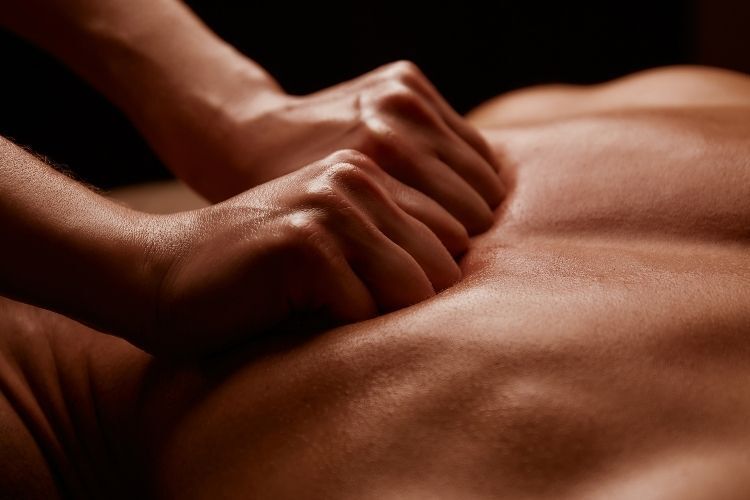
- Slow, flowing strokes that encourage full-body relaxation
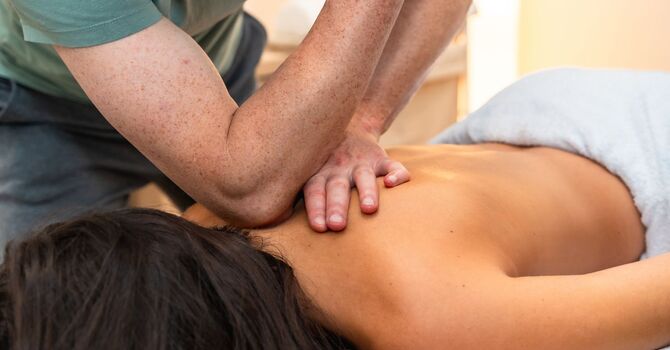
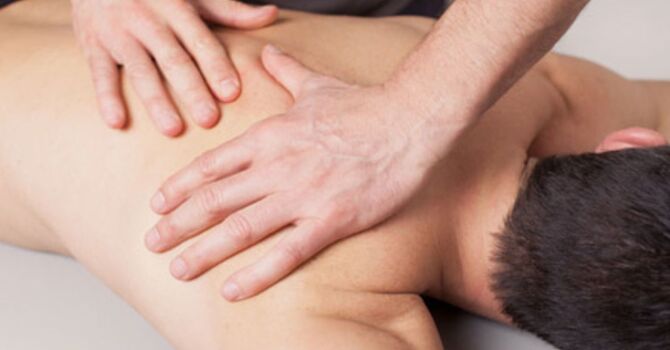
- Sustained, gentle pressure on the neck, shoulders, and upper back
- Careful work along the scalp, face, and jaw for people who clench
- Gradual deep tissue work on stubborn knots, built up slowly so the body does not brace
The best massage for stress and anxiety is rarely the hardest one. Firm pressure can release knots, but a nervous system on high alert often responds better to slower, lighter work first.
What to Expect From Therapeutic Massage in Beaverton
If you are looking for massage for anxiety in Beaverton, a session at Athena Arris LMT begins with a conversation. Athena, a licensed massage therapist with more than 16 years of experience, asks about your stress, sleep, and the areas that feel tight. She tailors pressure, pace, and focus, and checks in throughout so you stay in control. The quiet room and unhurried pace are part of the treatment, not extras.
Many people come from Hillsboro, Tigard, and the west side of Portland. You can learn more about our therapeutic massage in Beaverton or explore how stress and pain relief massage fits when anxiety shows up as physical pain. For a more holistic approach, Athena also offers energy medicine through Access Bars® and Access Body Process®.
How Often Should You Get a Massage for Anxiety?
There is no single schedule that suits everyone, but there are sensible starting points. When anxiety is high, weekly or every other week sessions for about a month can help your body learn what relaxed feels like. As symptoms ease, many people move to a visit every three to four weeks for maintenance.
If anxiety spikes around predictable stressors such as deadlines, travel, or the holidays, booking ahead of them often helps more than waiting until you are overwhelmed. A massage for anxiety plan works best when you choose a rhythm you can sustain, then adjust based on how long the calm lasts after each visit. These are general guidelines, so ask Athena what fits your situation.
Massage Works Best as Part of a Bigger Plan
Massage is a supportive therapy, not a replacement for mental health care. If anxiety affects your work, sleep, or relationships, talk with your doctor or a licensed mental health professional, and see the National Institute of Mental Health for an overview of symptoms and treatment options. Massage can sit comfortably alongside therapy, medication, exercise, and good sleep habits.
Share any diagnoses or medications before your session so your therapist can adjust her approach.
Book Massage for Anxiety in Beaverton
Massage for anxiety will not erase every worry, but it can give your body a chance to remember what calm feels like, and that makes everything else easier to manage. If you are ready to try therapeutic massage in Beaverton, schedule a session with Athena Arris LMT and tell her how you want to feel when the hour ends. Book online or call (541) 206-0738.
.jpg)